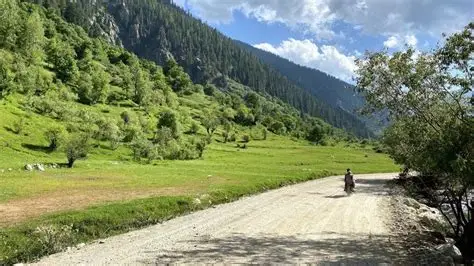
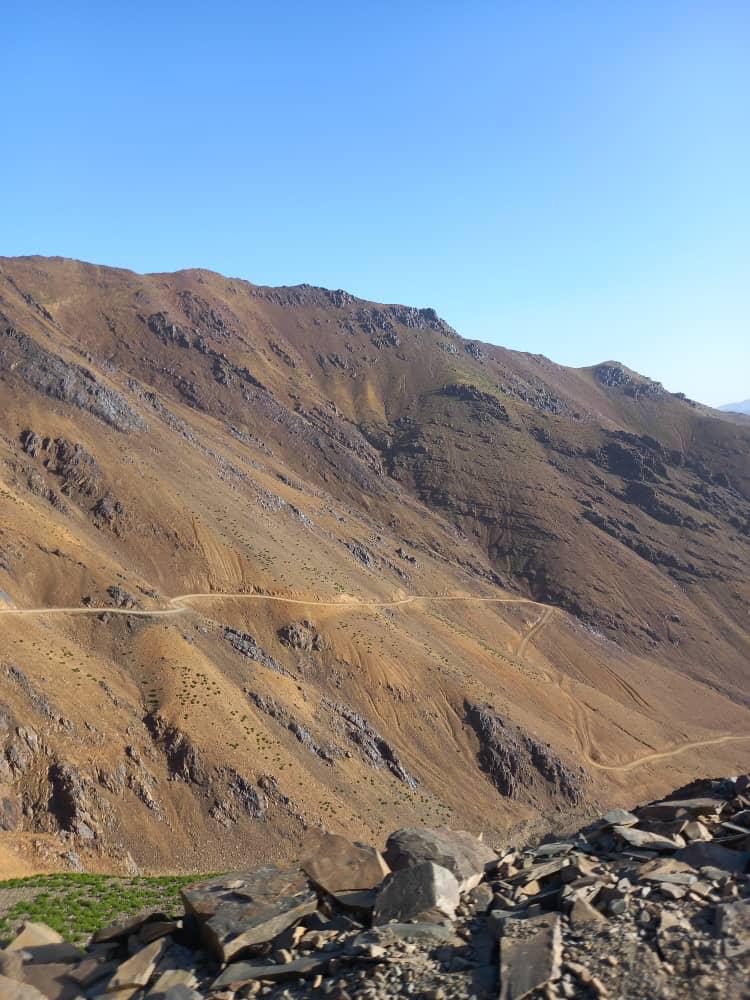
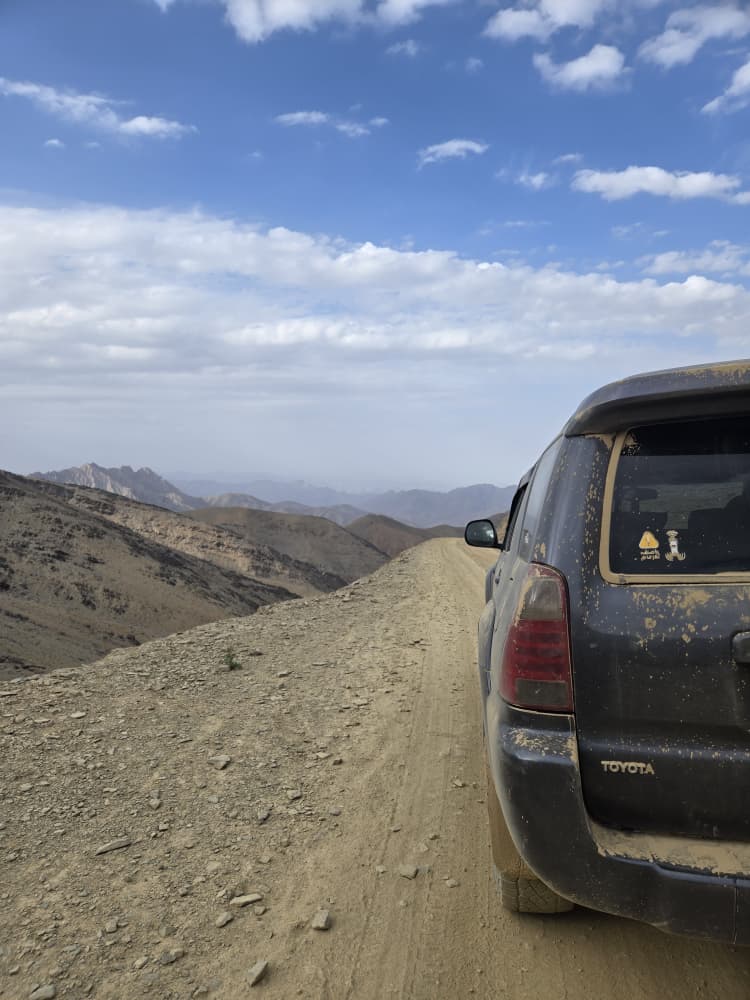
Under the initiative “Research and Evidence Generation for Key Health and Nutrition Practices and Capacity Building of Frontline Workers”, our field research teams successfully executed comprehensive quantitative and qualitative data collection across Afghanistan’s most remote and logistically challenging regions. The assessment spanned critical and hard-to-reach provinces, including Nuristan, Bamyan, and Daikundi, alongside rural districts within Balkh, Samangan, Ghor, Zabul, and Wardak.
Throughout the fieldwork, our teams navigated severe operational constraints. They overcame vast geographic distances, severely degraded road infrastructure, isolated terrains, and frequent mechanical failures. In multiple locations, the sheer inaccessibility of the target areas required data collectors to complete overnight stays in the field, as same-day return travel was impossible.
Demonstrating exceptional resilience, professional integrity, and an unwavering commitment to localized research, our field personnel persevered through these hardships. Their dedication ensured the successful completion of both data streams, culminating in the generation of high-quality, rigorous evidence. This vital data will directly inform and optimize public health and nutrition programming across Afghanistan, ensuring that future interventions are evidence-based, sustainable, and tailored to the needs of the country’s most underserved and marginalized communities.
Evidence from the Field
Community Dialogue Plus (CD+) Activity: Reaching Hard-to-Reach Communities in Nuristan Province
WASH Survey: Data Collection in the Challenging and Hard-to-Reach Areas of Zabul Province
Daykundi Social Listening Activity: Field Team Traveling to the field for Data Collection
Locally led, evidence-driven programs advancing nutrition, health and household well-being across Afghanistan.